
Get Involved
Congressional Research Institute for Social Work & Policy (CRISP)
Unleashing the Power of Social Work on the Hill

Why Congress Needs Social Workers
Every day, Members of Congress make decisions that affect the lives of millions of Americans. They determine who has access to health care, how children are protected from abuse and neglect, whether families can afford housing, how mental health services are funded, and the opportunities available to future generations. These decisions shape the conditions under which social workers practice and the lives of the people they serve.
Yet too many social workers remain absent from the very place where these decisions are made, and this absence comes at a cost. When social workers are not at the table, others define the problems, frame the debate, and develop the solutions. The result is often public policy that fails to reflect the realities facing individuals, families, and communities. Policymakers need the perspectives of professionals who understand firsthand the consequences of poverty, trauma, inequality, family instability, inadequate health care, and barriers to opportunity.
The NASW Code of Ethics is clear. Social workers are called not only to help people in need but also to challenge social injustice. What distinguishes social work from many other professions is its person-in-environment perspective—the understanding that individual well-being is profoundly influenced by social determinants. Social workers recognize that many of the challenges people face are not simply the result of personal circumstances or choices, but are shaped by the environments in which they live, learn, work, and raise their families.
That understanding carries an important responsibility. Direct practice can help individuals navigate the consequences of inadequate policies, but it cannot by itself change the conditions that produce those consequences. Housing policy affects homelessness. Education policy affects opportunity. Health policy affects access to care. Economic policy affects family stability. If social workers are serious about improving the environments in which people live and addressing the root causes of social problems, they must engage the institutions where those policies are debated, developed, and enacted.
The profession’s influence on Capitol Hill has declined over time. When CRISP was created in 2012, there were approximately a dozen social workers serving in the House and Senate. Today, that number has fallen dramatically. At the very moment when the nation faces complex challenges involving child welfare, behavioral health, economic inequality, criminal justice, education, and civic participation, fewer social workers are helping shape federal policy.
This should concern every member of the profession. Social workers possess the knowledge that Congress needs. We understand how policies affect people in their daily lives. We know the difference between intentions and outcomes. We see where systems succeed, where they fail, and where they can be improved. Few professions are better positioned to connect public policy with lived experience.
The challenges facing our nation will not be solved by advocacy alone. They require informed engagement, strategic action, and a sustained presence at the point of decision-making.
The BEYOND ADVOCACY Blog
BY CHARLES E. LEWIS, JR
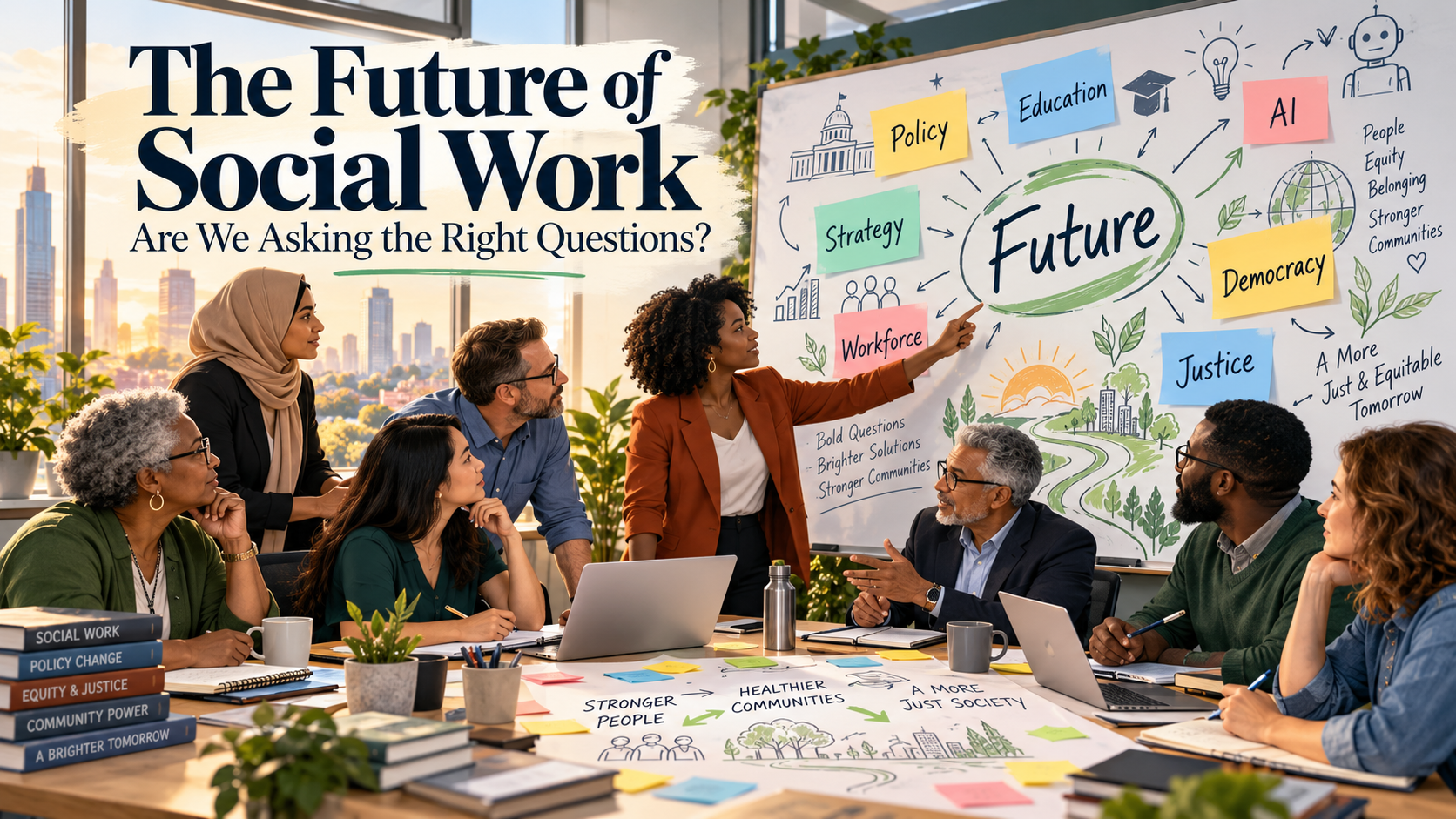






COMING SOON!
The Beyond Advocacy Podcast with Charles E. Lewis, Jr.


DEMOCRACY is a fragile political system that empowers citizens to participate in decision-making to determine how their society is governed, how legislators and other governmental officials are elected or selected, how resources are distributed, and what rights will be accorded to the citizenry. This is often spelled out in a founding document such as a constitution.
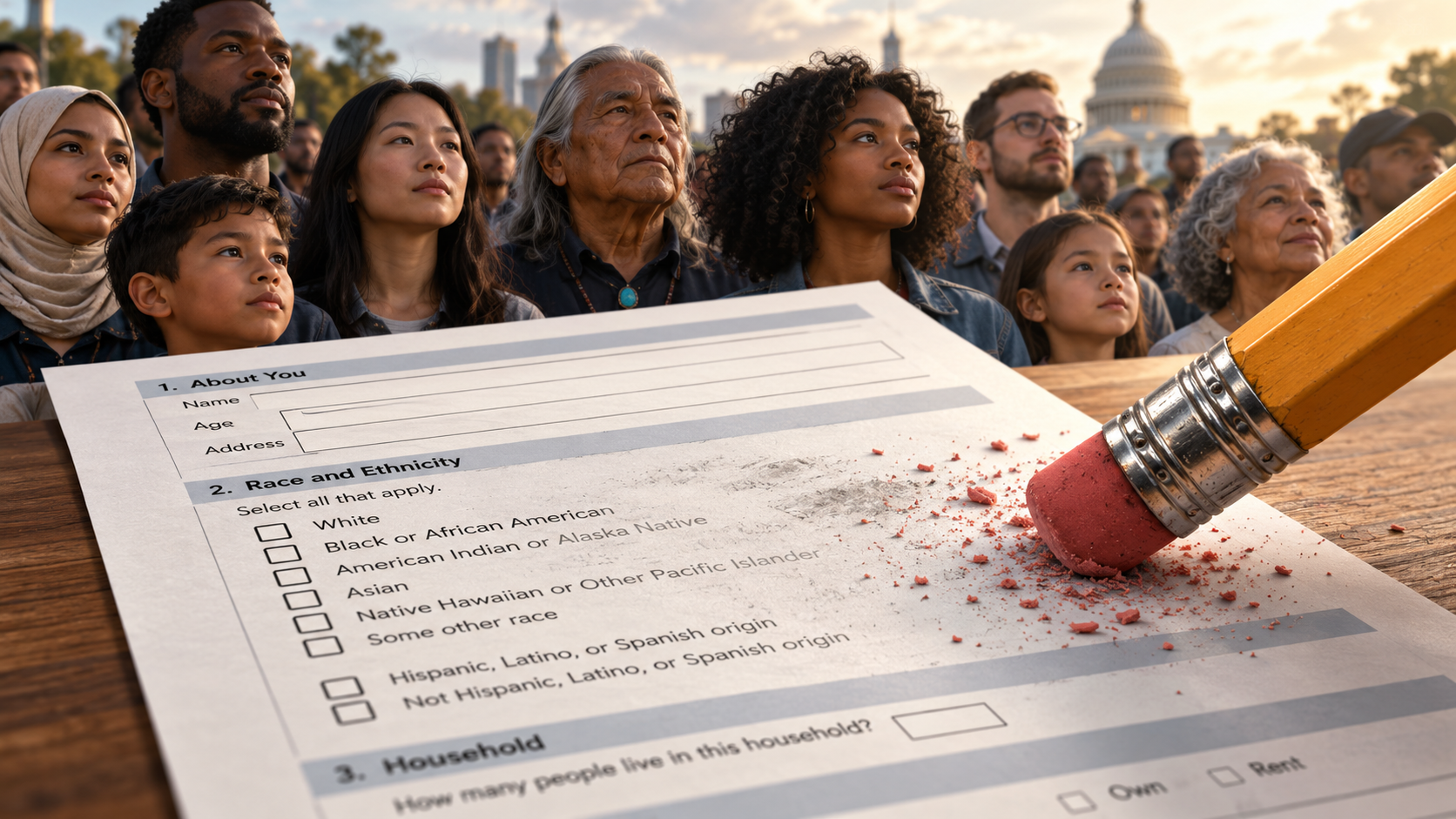
Diversity is a challenge because differences in race, ethnicity, culture, values, customs, religion, and ideology may lead to conflicting or competing aspirations. As a nation of immigrants and one of the world’s most diverse societies, the United States has experienced challenges keeping a peaceful coexistence among its various factions.
Attacks on democratic institutions like the media, the courts, and free and fair elections can erode trust in government and lead to autocratic forms of government.
